
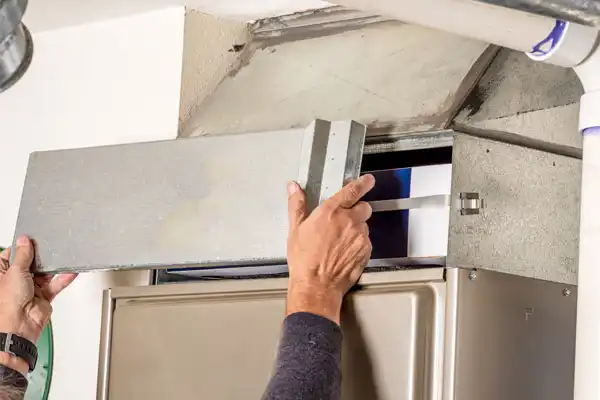
Indoor Air Quality Tips for Closed-Up Winter Homes
In a closed-up winter home, the biggest air quality gains come from changing your furnace filter on schedule, keeping humidity between 30% and 50%, running exhaust fans, and testing your carbon monoxide (CO) detectors and radon levels. Sealing windows and doors keeps heat in during New York winters, but it
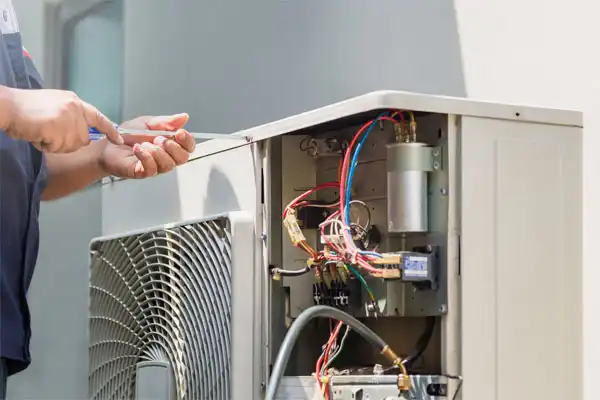
How Often You Should Change Your Furnace Filter
The Short Answer: Every 30 to 60 Days for Most Filters Most 1-inch and 2-inch furnace filters need replacing every 30 to 60 days, while thicker 4-inch and 5-inch media filters can last several months. The right schedule depends on your filter’s thickness, how long your equipment runs, and conditions
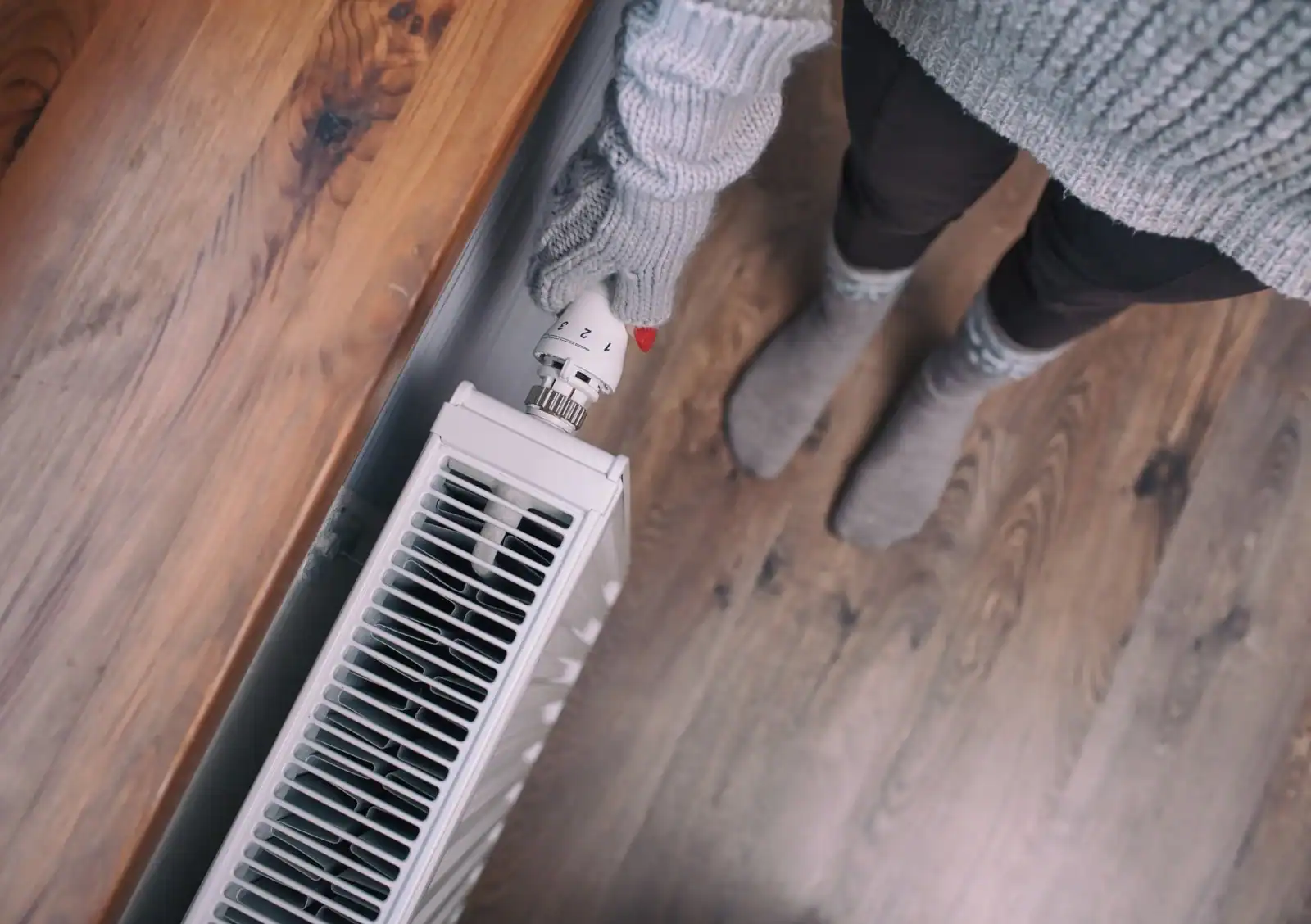
Winter HVAC Maintenance Checklist Before First Frost
Turning on your heat for the first time during a freezing night is a gamble you do not want to take. When outdoor temperatures drop below freezing in Binghamton, heating equipment faces sudden stress that reveals worn parts, dirty blowers, and clogged air paths. Using a practical winter HVAC maintenance
Signs You Need Furnace Repair Before Winter Hits
Signs You Need Furnace Repair Before Winter Hits Turning on your heating system for the first cold evening often reveals small performance issues that developed over the summer. When outdoor temperatures drop across Binghamton, New York, your heating system must run consistently to maintain a comfortable indoor environment. Addressing mechanical
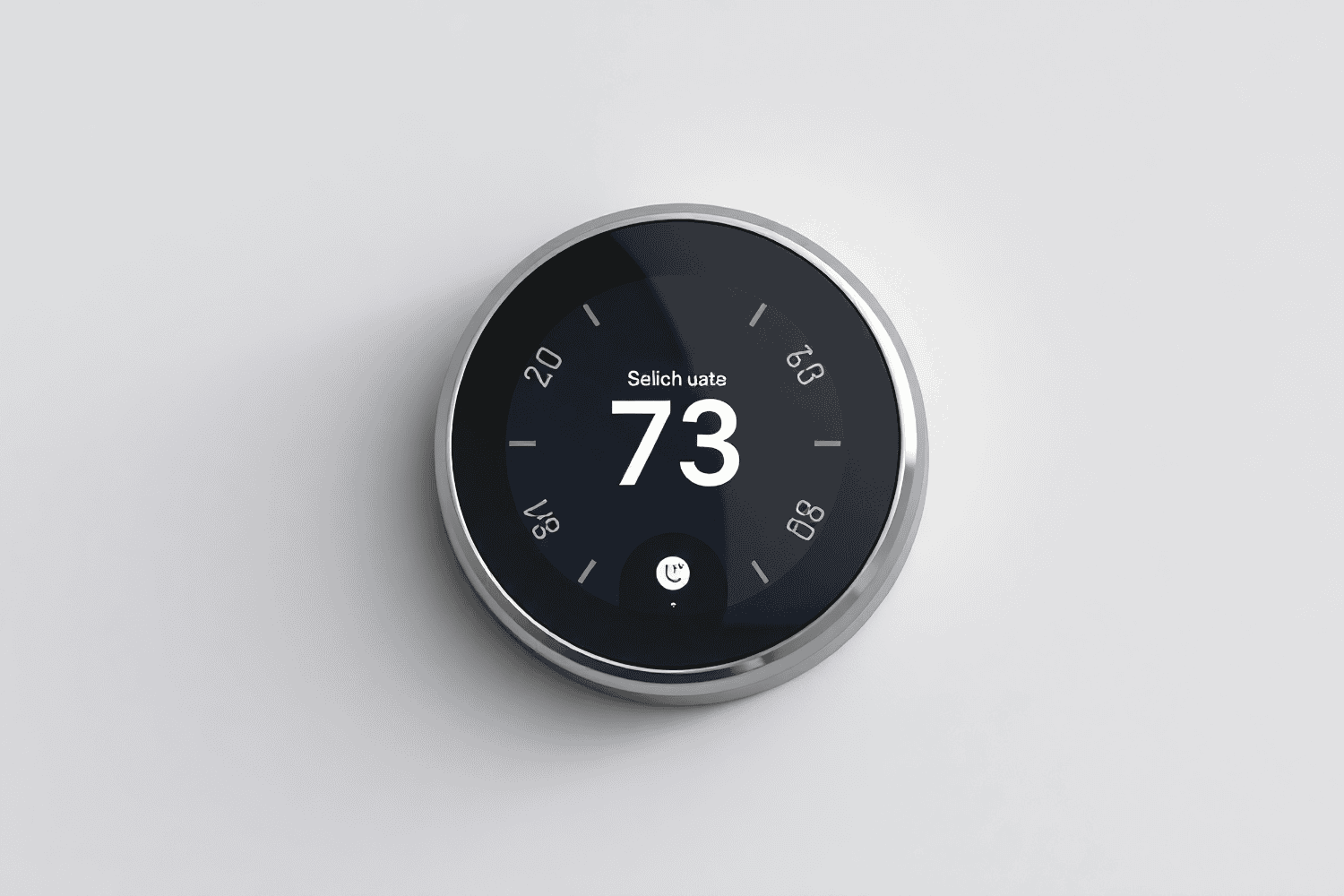
Programmable Thermostat Tips for Winter Energy Savings
Programmable Thermostat Tips for Winter Energy Savings Setting a steady heating schedule is the fastest way to stop wasting fuel while keeping your home warm throughout a cold upstate winter. Many households run their furnaces at high settings all day, heating empty rooms and pushing utility bills higher than necessary.
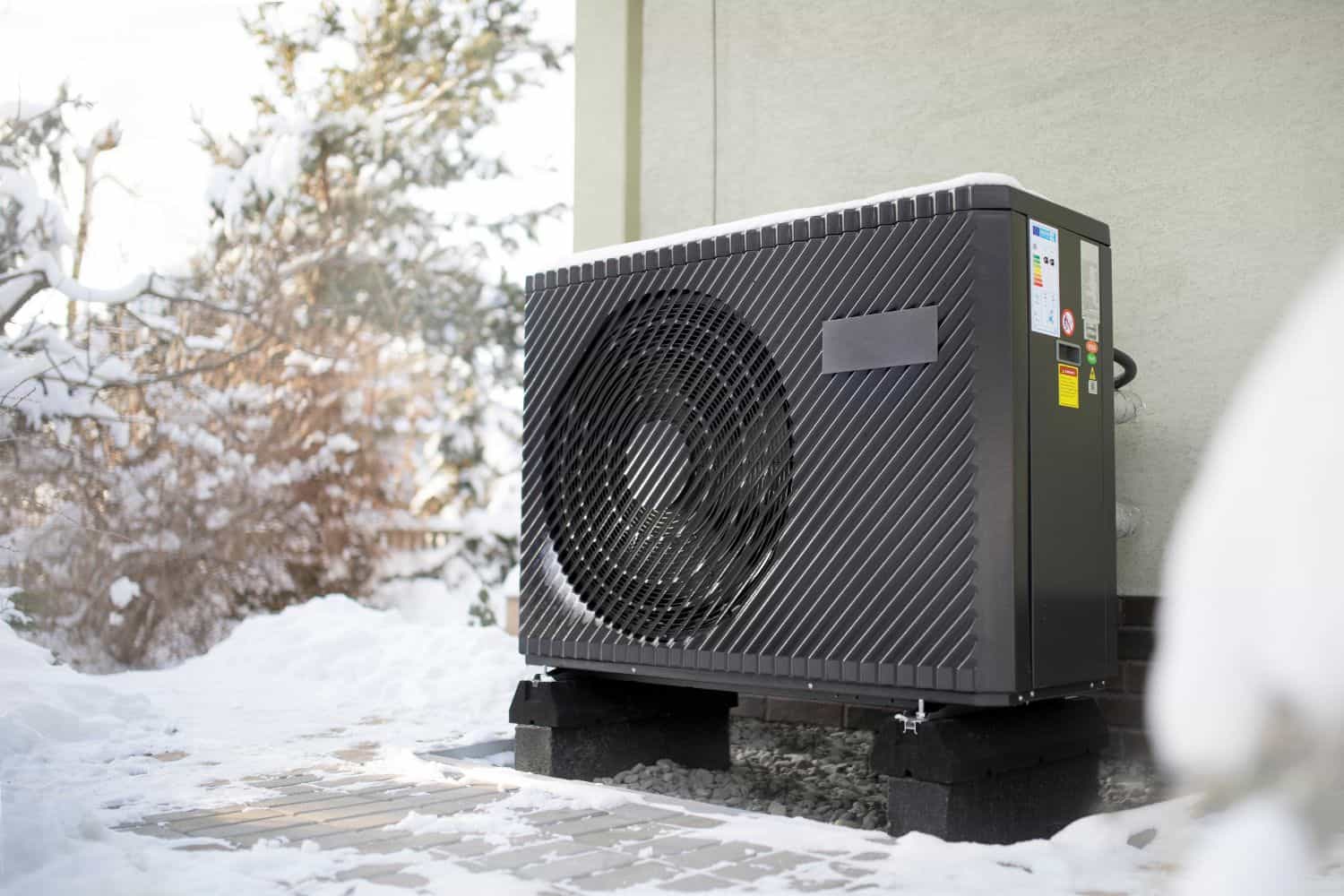
What to Do During a No-Heat Emergency
What to Do During a No-Heat Emergency When your heating system shuts down during freezing weather, taking immediate action prevents burst pipes and protects your household. Knowing what to do during a no-heat emergency allows you to rule out basic equipment glitches before you schedule an urgent service visit. This