
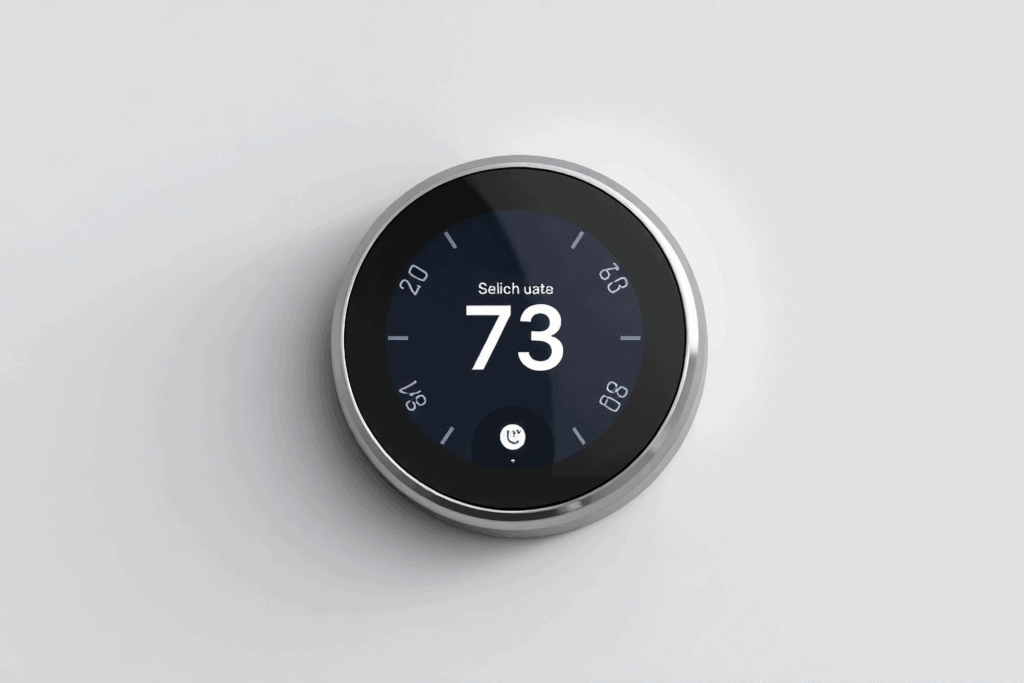
Programmable Thermostat Tips for Winter Energy Savings
Setting a steady heating schedule is the fastest way to stop wasting fuel while keeping your home warm throughout a cold upstate winter. Many households run their furnaces at high settings all day, heating empty rooms and pushing utility bills higher than necessary. Applying a few practical programmable thermostat tips for winter energy savings allows your heating equipment to adjust automatically around your routine. Below, we break down optimal temperature setbacks, ideal device placement, and scheduling strategies that protect both your heating equipment and your monthly budget.
Setting Ideal Daily Temperatures and Schedules
Programming a heating schedule works best when you establish consistent blocks of time based on when your family is active, sleeping, or away from the house. Rather than turning the heat off completely or leaving it high around the clock, you want modest temperature adjustments that prevent your furnace or boiler from working harder than needed.
Daytime vs. Overnight Target Temperatures
For active hours when people are awake at home, set your thermostat to a baseline temperature near 68 degrees. When everyone leaves for work or school, drop that target lower for several consecutive hours. According to the U.S. Department of Energy, you can save as much as 10% a year on heating and cooling by turning your thermostat back 7°-10°F for 8 hours a day from its normal setting. You can duplicate that same lower target at night by pulling on warmer blankets and letting the house rest cooler while everyone sleeps.
Avoiding Temperature Cranking Myths
Cranking the thermostat up to 75 degrees on a frigid morning will not heat your living space any quicker. Heating equipment runs at the same rate regardless of how high you set the dial, so bumping the temperature beyond your desired comfort level only causes the system to run longer, burning through fuel and creating hot spots. Trust the schedule to bring the house up to temperature smoothly before your alarm sounds.
Strategic Thermostat Placement and Equipment Considerations
A properly scheduled unit cannot deliver real savings if it reads room temperatures incorrectly or struggles to communicate with your specific heating equipment. Where the wall unit sits and what kind of heating equipment runs in your basement directly influence how well your settings perform.
Choosing the Correct Location on an Interior Wall
Your thermostat should always sit on an interior wall away from direct sunlight, drafty windows, and heat sources such as kitchen ranges or supply registers. When cold drafts blow across the sensor, the control board assumes your entire home has turned cold and forces the heating system to run unnecessarily. Placing the unit in a central hallway or living area provides an accurate reading of the air circulating through the main living quarters.
Managing Heat Pump Systems Carefully
If your home relies on a heat pump rather than a standard natural gas furnace, aggressive setbacks can sometimes work against your energy goals. Setting a heat pump back too many degrees can cause the system to trigger expensive auxiliary heat strips to recover the temperature deficit. Use a thermostat designed with built-in algorithms for heat pumps, or limit your temperature adjustments to smaller increments to keep the unit operating on its primary, efficient heating cycle. These tailored programmable thermostat tips for winter energy savings help homeowners balance efficiency without causing high electric demand.
Maintaining System Efficiency to Maximize Your Settings
Automating your temperature schedule works hand in hand with seasonal equipment upkeep to keep your heating system running at peak performance. When airflow is restricted, or components wear out, even the smartest temperature settings cannot overcome the physical strain on your furnace or boiler.
Replacing Thermostat Batteries and Checking Firmware
Many digital wall controls rely on alkaline batteries to preserve program memory during winter storms and power interruptions. Change these batteries at the start of each heating season so a sudden dead battery does not leave your home without heat while you sleep. If you use a connected smart device, ensure the software updates automatically to prevent scheduling bugs from resetting your preferred temperatures.
Supporting Airflow with Clean Filters
A programmable device can only lower runtimes if heated air moves freely through the supply and return ductwork. Dirty furnace filters force the blower motor to work harder, slowing down heat delivery and causing the system to run longer to hit your scheduled setpoint. Inspect your filter monthly during the coldest months and replace it whenever surface dust builds up.
Summary of Winter Thermostat Best Practices
Taking control of your winter heating expenses comes down to setting realistic temperatures, protecting your sensors from drafts, and coordinating setbacks with the type of heating equipment you own. Putting these programmable thermostat tips for winter energy savings into practice allows you to maintain steady indoor warmth while giving your furnace a regular break when the house is empty. Regular filter changes and annual heating inspections keep the rest of your equipment ready to handle whatever freezing temperatures New York brings this season.
Schedule Your Heating Service with Auchinachie Services
If your heating system is struggling to reach your programmed temperatures or you need help installing a modern thermostat, turn to the licensed professionals at Auchinachie Services. We have provided upfront pricing and dependable heating solutions to homeowners across Binghamton, New York, for over 100 years. From seasonal heating tune-ups and system repairs to complete equipment upgrades, our experienced team delivers honest recommendations and reliable workmanship on every visit.
Call our Binghamton office today or reach out by email at [email protected] to schedule your service. You can also visit our team at 42 Frederick Street, Binghamton, NY 13901, to discuss your home heating needs.