
Furnace vs. Heat Pump: How to Choose the Right Heating System
Choosing the right central heating equipment determines how evenly your living spaces warm up during severe winter stretches. When deciding on a furnace vs. heat pump for your home, understanding how each piece of equipment generates warmth is the foundation for an informed choice. Furnaces burn fuel or use electrical resistance coils to create instant, high-temperature air, while heat pumps transfer existing heat from the outdoors directly into your living spaces.
Selecting between these two mechanical designs requires looking at your existing fuel connections, your duct system, and the winter weather in your specific region. This guide breaks down how each system runs, how cold weather affects heat delivery, and what structural factors indicate which option fits your home best.
How Each Heating System Operates
Every central heating unit relies on distinct engineering principles to maintain indoor temperatures throughout the heating season. Understanding the core mechanical differences between combustion equipment and heat-transfer technology helps clarify how each unit heats a structure.
How a Furnace Works
A furnace is a dedicated heating appliance designed to burn fuel such as natural gas, propane, or fuel oil to produce heat within a sealed combustion chamber. Modern systems pull return air from your home across an internal heat exchanger, warming the air rapidly before a blower fan pushes it through supply ductwork. Because a furnace generates new heat directly on demand, the air entering your rooms feels distinctly hot from the moment the cycle begins. This direct heating method provides dependable indoor temperatures during rapid outdoor temperature drops, making it a reliable workhorse for Northern homes.
How a Heat Pump Works
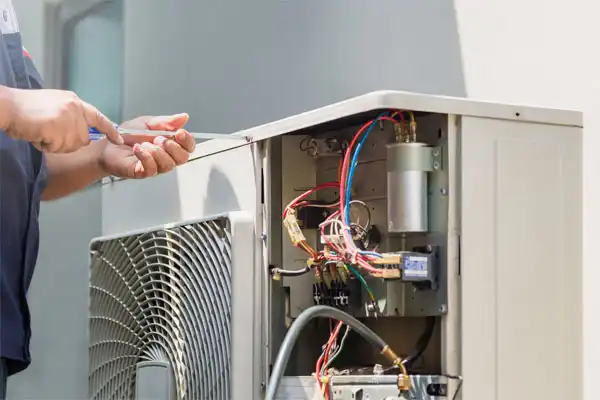
A heat pump does not burn fuel to generate raw heat; instead, it uses a closed refrigeration loop to absorb ambient thermal energy from outdoor air and move it indoors. During the winter, the outdoor unit pulls heat from outside air through evaporating refrigerant, pressurizes that refrigerant with a compressor to raise its temperature, and releases the captured heat through an indoor air handler. In the summer months, a reversing valve inside the unit switches the flow of refrigerant, allowing the exact same system to pull indoor heat outside and serve as a central A/C unit. Because heat pumps move warmth rather than creating it, the air discharging from the registers feels warm and steady rather than intensely hot.
Heating Performance in Upstate New York Winters
Winter conditions in Binghamton and the surrounding Southern Tier bring prolonged sub-freezing temperatures that put substantial strain on any heating configuration. The outdoor climate serves as the deciding variable in how well each heating platform performs when deep winter sets in.
Winter Demands in Binghamton
Furnaces maintain steady heat output regardless of outdoor temperatures because their combustion process occurs inside the conditioned boundary of the home. Even during sub-zero overnight conditions, a furnace delivers consistent airflow at high supply temperatures. Older heat pump systems struggled when the outdoor temperature dropped below freezing because ambient air contains less readily extractable thermal energy. Modern cold-climate heat pump units feature variable-capacity inverter compressors that extract heat in freezing conditions, but sustained periods of sub-zero wind chills often require supplementary heating sources to keep indoor temperatures comfortable.
The Hybrid Dual-Fuel Approach
Many homeowners choose a dual-fuel setup that pairs an electric heat pump with a high-efficiency gas furnace. In this configuration, the heat pump provides primary heating through moderate fall and early winter days while also providing efficient A/C during humid summer afternoons. When outside temperatures drop below a programmed balance point, the system automatically switches to the furnace for primary heating. This automated handover ensures steady heating performance throughout severe blizzards while optimizing the fuel profile of the property.
Factors That Determine the Best Choice for Your Home
Your current home infrastructure plays a direct role in deciding between a furnace vs heat pump. Evaluating your layout, available utility lines, and cooling equipment helps identify the most practical heating solution for your property.
Existing Ductwork and Electrical Capacity
Homes with existing sheet-metal ductwork in good physical condition can easily accommodate either a replacement furnace or a central heat pump air handler. If your home has aging ductwork that leaks air or lacks supply runs to upper floors, a ductless mini-split heat pump system allows you to heat and cool individual rooms independently without major carpentry work. Installing an all-electric heat pump setup can require upgrading an older residential electrical panel to handle the higher amperage demanded by auxiliary heating strips. Conversely, adding a fuel-fired furnace requires proper chimney venting or dedicated PVC direct-vent piping to discharge exhaust combustion gases safely through an exterior wall.
Year-Round Cooling and Heating Requirements
If your current central A/C unit is nearing the end of its service life along with your heating unit, replacing both appliances with a single heat pump streamlines your mechanical footprint. A heat pump handles both heating and cooling duties, freeing up basement floor space and reducing the number of standalone outdoor cabinets around your yard. If you already have a newer, dependable central A/C unit installed, replacing only the furnace allows you to upgrade your heating equipment without discarding an air conditioner that still operates reliably.
Choosing the Right Setup for Long-Term Home Heating
Weighing a furnace vs. a heat pump comes down to how your house is built, your existing ductwork, and your heating demands. Furnaces offer intense heat delivery during freezing cold snaps, while heat pumps provide flexible year-round heating and A/C through balanced air circulation. Homeowners seeking the strengths of both platforms often find that a hybrid dual-fuel system delivers uninterrupted comfort through every seasonal shift.
Auchinachie Services has been serving the communities in Binghamton, New York, for over 100 years, helping homeowners select equipment engineered for local weather conditions. Our licensed professionals perform a detailed home walkthrough to examine your ductwork, electrical service, and insulation levels before presenting honest system recommendations with upfront pricing.
Schedule Your Heating Consultation in Binghamton
Ensure your home stays warm and comfortable through the upcoming winter by consulting with experienced local heating specialists. Auchinachie Services provides comprehensive heating evaluations, dual-fuel configurations, and professional installations across Binghamton and surrounding communities. Contact our team or visit our office at 42 Frederick Street, Binghamton, NY 13901, to schedule a walkthrough with our licensed heating technicians.